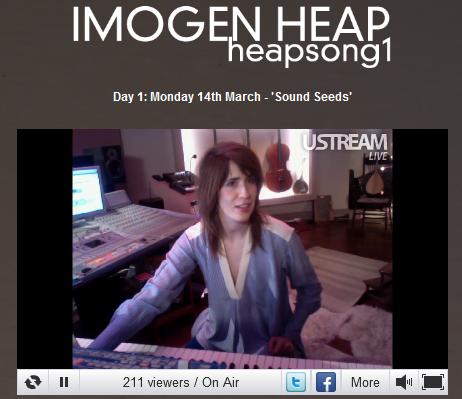
Imogen Heap, two-time grammy award winner and known for her innovative online practices to connect with her fans, has just kicked off her fourth studio album with sounds from her fans, called ’seeds’.
Megan Adams
|
31 October 2010, 2:10 pm
|
tags: Amsterdam Dance Event, applications, creativeapplications.net, developers, echonest, music, music and bits, music hack day, Soundcloud, startups
Last week I attended the Music and Bits conference, which is the pre-conference for Amsterdam Dance Event. The conference touts itself as “an exploration of music and technology” and by all accounts I would say that was accurate. Of the five companies who presented throughout the day there emerged two themes: App dev and marketing (for…
Hans Terpstra
|
29 October 2010, 4:11 pm
|
tags: audio, audioblog, blog, copyright, filehosting, gambling, hip-hop, itunes, Justin Timberlake, lady gaga, law, legislation, malware, megaupload, mp3, music, napster, p2p, piracy, pirate bay, prince, profit, radiohead, rapidshare, sex, spyware, torrents, underground, virus
As the first half of this semester draws to an end, and we all wrap up our compulsory blogging and prepare for the next hurdles of our MA course, I was surprised at not hearing a single word about the dark side of blogging. And I don’t mean blogging done by people who are insane, racist, paedophiles or anything that…
Megan Adams
|
28 October 2010, 1:57 pm
|
tags: digital distribution, downloading, entertainment, itunes, limewire, music, music and bits, napster, piracy, sean parker, spotify
A couple of months ago I was sitting at my desk with a friend, going through my iTunes collection and trying to put together a play list. Casually I made the comment that I had paid for about 70% of the music in my iTunes. To my surprise his reaction was “whoa, what?? you actually paid for all of this music?? why would you do that when you can download everything for free!?” The reason his response caught me off guard is because this friend has built a successful career working in the music industry, making money in one way or another off of musicians. Feeling a bit foolish I tried to justify my decision and told him that I simply felt obligated to pay for music if I could afford it. Illegally downloading music felt a bit juvenile when I had the means to finance my music appetite. He agreed but relented that the artists only make about a penny off of each song and that the real money was in touring and other areas.
The funniest line in the opening speech for Music & Bits was “now for a practical matter – does anyone have an iPad charger?” I loved to hear that, in a room of music geeks, developers and techies, and I giggled to myself and waited for someone to raise their hand. Of course someone in…
Cheaper Books and Violation of Copyright?
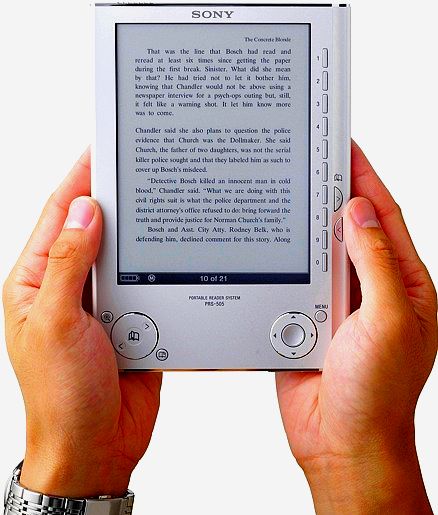
The value added tax (VAT) for a Dutch digital book consists 19% instead of the 6% for a printed one. This results in only a minimal difference between both prices, where most people would expect the digital tangible version cheaper. Also newspapers can be read on most of the e-readers, which makes future classic books and newspapers unnecessary. Digital documents are easier to buy (online), transport and carry on different media devices (compatibility). Another benefit is the consequenses for the environment, especially the cutting of trees and the emission of carbon dioxide. Digital book-reading also avoids information storage by the use of big bookshelves in the future, ienvironmentn fact the digital bookfiles are easy downloadable and they can be deleted very fast. This results in a new paradigm of reading books if the Netherlands will adapt to this new technology like they did to for example: MP3.
Hans Terpstra
|
16 October 2010, 6:30 pm
|
tags: amazon, Books, capital, convergence, cultural, digitization, dock, e-readers, induction, intellectual, iPad, ipod, music, personality, replacement, social, space, sterility
Let me tell you a story about my sister. Isn’t that a good introduction to a blog, share a story with complete strangers online involving private family matters? Though she may not like it, I won’t give her name or anything, and more importantly, I have this feeling that a lot people these days resemble her situation and we’re still…
If there’s one element of the Web 1.0 era that seems to have survived the age of social networking of today, it must be forums. But for how long? In the world of music, professional musicians seem to have been hesitant of participating on forums due to the lack of user standards. The abundance of swearing, low level of profession,…
Sitting in class, I had just created my account on Wikipedia. Within minutes somebody had altered my biography on my personal user page. Luckily, it was the person sitting next to me in class who had successfully fooled me, but that’s not the point here. Imagine someone else being able to alter your biography on Twitter, or your personal information…
Erik van Bemmelen
|
30 September 2010, 2:49 pm
|
tags: Africa, africa unsigned, business model, crowdfunding, crowdsourcing, music, music industry, sellaband, user generated content, web 2.0
In the past years the Internet has been flooded with user generated content. The theory on new media has subsequently been flooded with research into this phenomenon, that is commonly centered around the web 2.0 concept. This theorizing of the beautiful possibilities and promises of freedom on the Internet has become almost tiresome. What I want to do here, is…